ADHD: Patient Explanation
Helping patients, parents and professionals understand ADHD — free plain-language explanation sheets, research publications and the book ADHD Made Simple, by paediatrician Dr. Alison Poulton.

Free resources
Explanation Sheets
Helping patients, parents and professionals understand about ADHD. Read each explanation online, listen to it narrated, or download it as a PDF.
-
Explanation Sheet 1
What is ADHD?
A lot of people have heard of ADHD, but may not really understand the effects it…
-
Explanation Sheet 2
Oppositional defiant disorder and MERIM
Most children with ADHD (and also many ADHD adults) show some difficult and oppositional behaviour. Explanation…
-
Explanation Sheet 3
ADHD as a continuum
People whose brains function slightly differently often represent more extreme forms of the types of functioning…
-
Explanation Sheet 4
Behaviour strategies for ADHD
This Explanation builds on Explanations 1-3 and describes non-medical strategies for helping people with ADHD to…
-
Explanation Sheet 5
Medications used in ADHD
ADHD is a genuine and treatable condition. Finding the right medication, or balance of medications, can…
-
Explanation Sheet 6
ADHD in adulthood
This explanation describes ADHD as a condition in which the thinking brain functions less efficiently and…
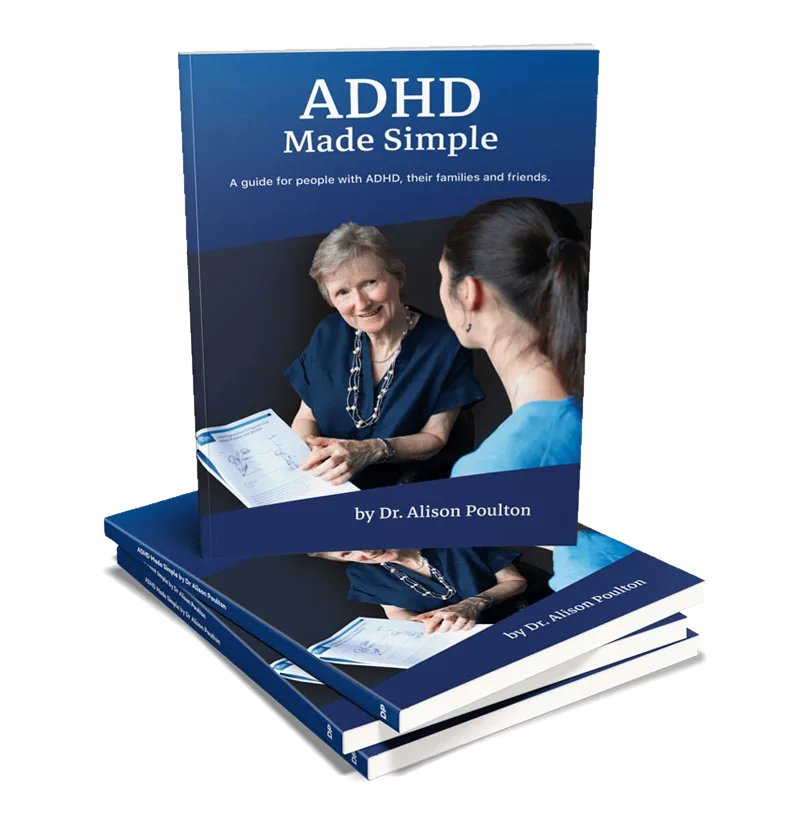
Dr. Poulton’s book
ADHD Made Simple
A guide for people with ADHD, their families and friends.
ADHD Made Simple is for anyone who has been diagnosed with ADHD as well as those who only suspect they may have it. It’s also for those people – parents, siblings, partners, children, colleagues – who love, care for or work with someone who has a diagnosis or characteristics of ADHD.
As someone who has, for over three decades, followed the large and complex research literature on ADHD, I know first-hand how difficult it is to distil that knowledge in a simple yet accurate manner. Dr. Poulton’s new book shows that she has achieved that goal.
Professor Stephen V. Faraone, PhD
President, World Federation of ADHD
ADHD Made Simple is a great book for anyone wanting to learn more about ADHD in easy-to-understand terms. It is refreshing to see a doctor providing useful information without using complex medical terminology.
Paula Burgess
Coach and author
For general practitioners
ADHD care for GPs
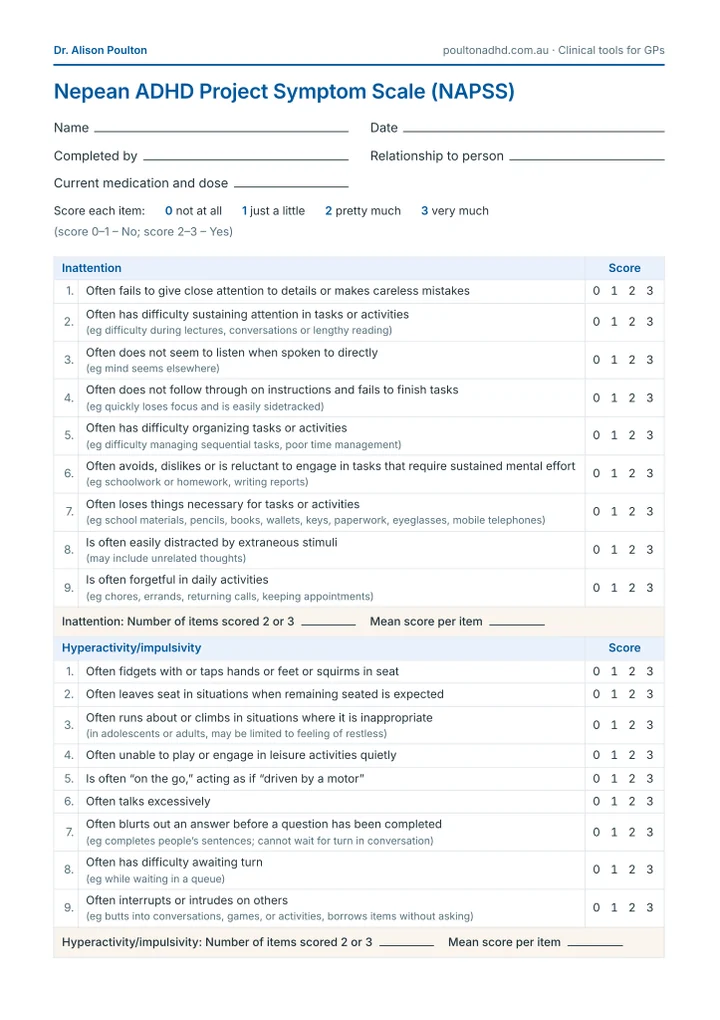
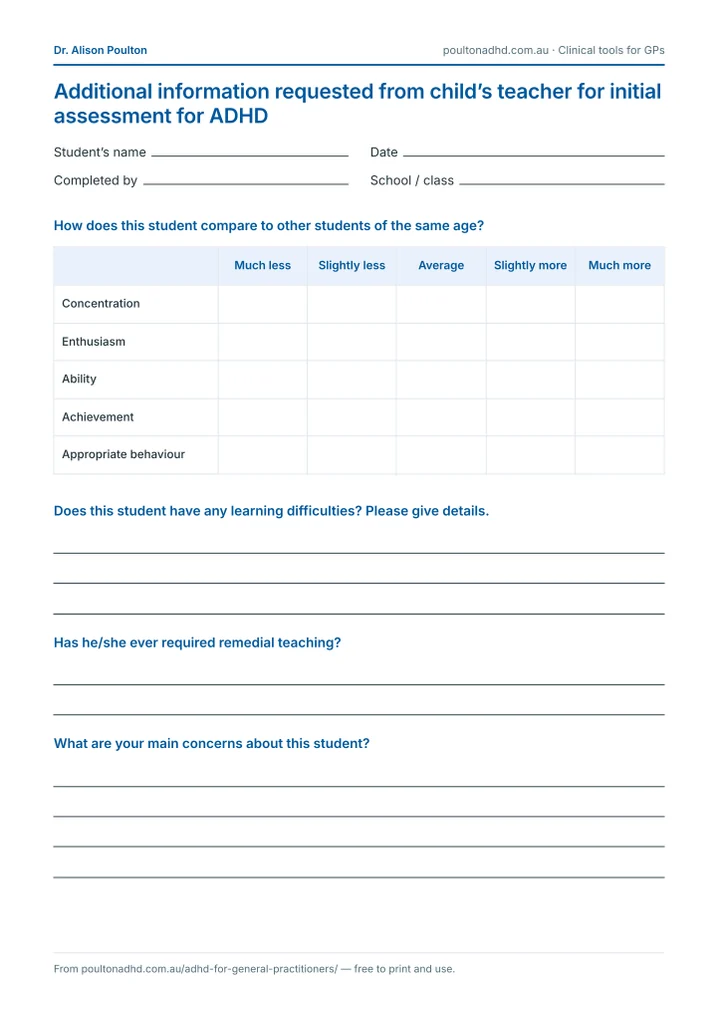
Five papers written for general practitioners — how to assess a child, what to put in place while a family waits for a specialist, and what a GP-led model of care achieved.
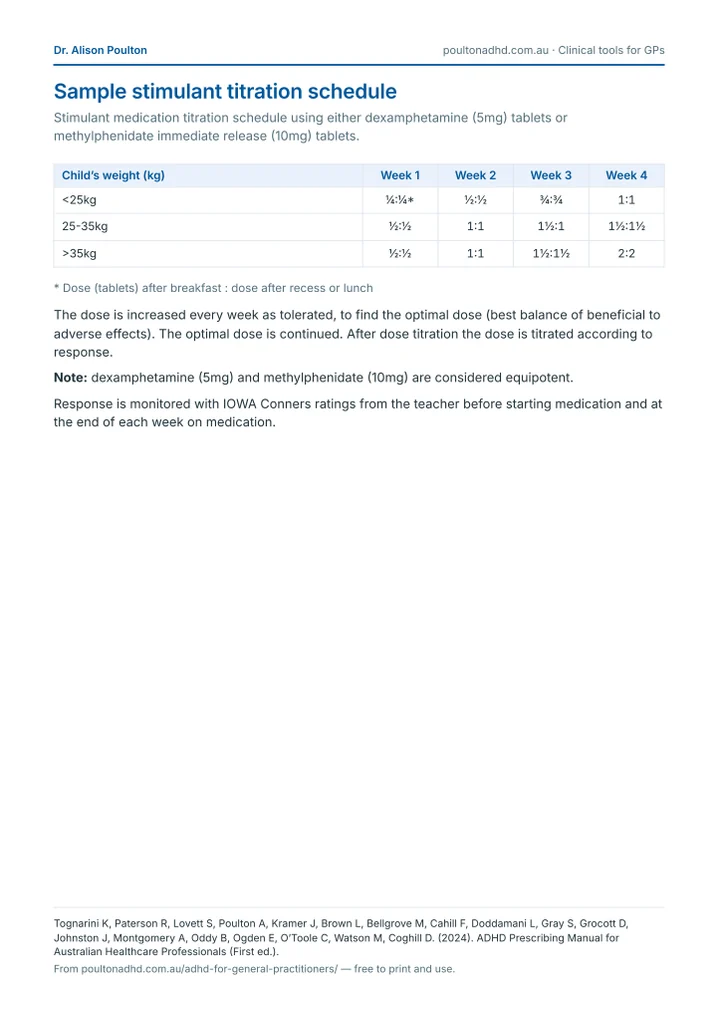
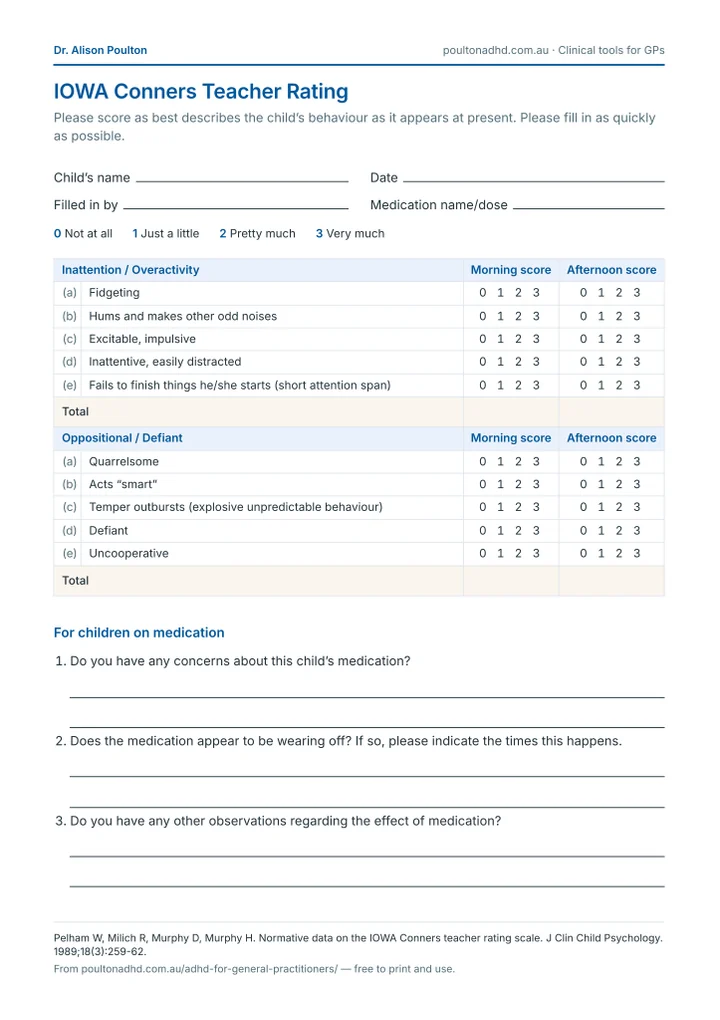
Alongside them, the forms the papers use — the rating scales for teachers and families and a sample titration schedule — as printable PDFs, free to download.
About
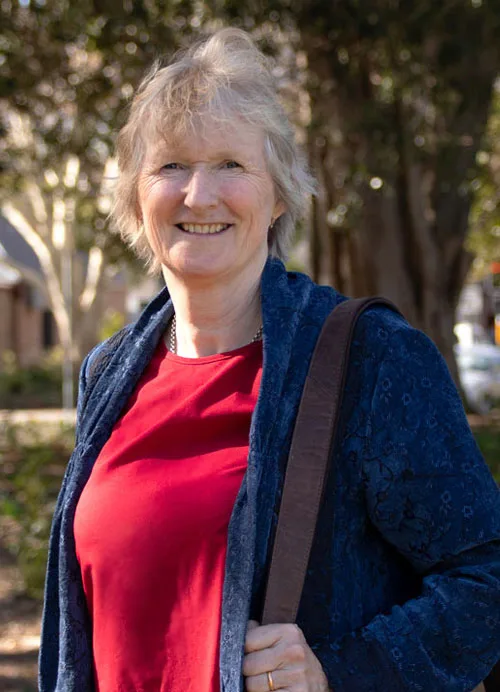
Dr. Alison Poulton
Senior Lecturer in Paediatrics, Sydney Medical School Nepean, The University of Sydney
I am a paediatrician specialising in treating children with attention deficit hyperactivity disorder (ADHD). I studied medicine at Girton College Cambridge and Guy’s Hospital London, qualifying in 1982. I trained in paediatrics in Stoke-on-Trent and Birmingham UK before migrating to Australia. I completed my advanced training in Melbourne and Sydney and gained the FRACP in 1993. I work at Nepean Hospital, at Penrith Child and Youth Mental Health Service and in private practice in Penrith and have raised a family of four children. I was awarded my MD from the University of Cambridge in 2011. This was based on research into the collateral effects of stimulant medication on children’s height, weight, physical maturity and body composition.
Papers & chapters
Recent publications
-
Association Between Caregiver Responses to the Six-Item Adult ADHD Self-Report Scale (ASRS-5) and Caregiver-Reported Adverse Childhood Experiences in Their Children
We surveyed 162 caregivers of children attending paediatric services in Western Sydney, asking them the six-question adult ADHD screener and about adverse childhood experiences in their child. Caregivers with higher ADHD screening scores were about twice as likely to report four or more adverse experiences…
-
New model of management of attention deficit hyperactivity disorder by trained general practitioners: Prospective cohort study in 207 children
This was a clinical study in which general practitioners were given training to diagnose and manage ADHD in children. We report on the first 207 children aged 4 to 17 managed through the programme. Families were seen far sooner than on a specialist waiting list,…
-

ADHD in children – practical clinical pearls for GPs
A practical guide for general practitioners to assessing and supporting a child who may have ADHD: looking for functional impairment at home, at school and beyond; picking up associated conditions such as learning difficulties, anxiety, sleep problems and tics; and monitoring medication using rating scales…
-
A Randomised Open-Label Comparison of Dexamphetamine and Methylphenidate in Children With Attention Deficit Hyperactivity Disorder (ADHD): Symptom Response, Adherence and Weight Impact Over 12 Months
Children starting treatment for ADHD were randomly assigned to the two immediate-release stimulants used in Australia, dexamphetamine or methylphenidate, and followed for a year. Dexamphetamine caused more weight loss, but the two medications were otherwise comparable in how well the symptoms responded and in how…